Artificial Intelligence (AI) is like having a super smart assistant that can help with a bunch of tasks. Imagine a computer or a machine that can learn, think, and make decisions just like a human. It sounds pretty cool, right? But how did we get here? Let’s break it down.
At its core, AI focuses on creating systems that can perform tasks that usually require human intelligence. This includes things like understanding language, recognizing faces, and solving problems. Have you ever used a voice assistant like Siri or Alexa? That’s AI in action! These systems listen, understand, and respond to our questions, making life a little easier.
The idea of machines being "smart" isn’t new. It dates back to the 1950s when researchers first started dreaming about computers that could think. Fast forward to now, and we have AI in our lives every day. From recommendation systems on Netflix to chatbots on websites, AI is everywhere, making processes simpler and faster.
AI is built on a mix of statistics, algorithms, and huge amounts of data. It learns from patterns, meaning the more data it has, the smarter it becomes. Picture teaching a child how to recognize different animals. The more examples you give, the better they get at identifying them. That’s how AI works—it’s all about learning and improving over time!
Early Ideas and Concepts
Back in the early days, before AI became what it is today, people were already dreaming up wild ideas about machines that could think for themselves. Imagine a time when computers were almost like characters in sci-fi movies! Pioneers like Alan Turing crunched numbers and formed the basics of what we now recognize as machine intelligence. They wondered if we could build machines that actually understood language and could solve problems.
Then there were the 1956 Dartmouth Conferences, the big family reunion for AI enthusiasts! This was where the term "artificial intelligence" was born. Bright minds gathered and tossed around ideas about neural networks and automation. They were ready to dive deep into the world of mimicry—could machines really replicate human thought? The excitement was palpable; everyone was buzzing with the possibilities.
Not everything was smooth sailing, though. The tech back then didn’t have the flashy capabilities we see today. Computers were clunky, and their processing speed could be painfully slow. Researchers faced tons of challenges just to get a simple program to run. But even with these hurdles, they never lost hope. Each small step paved the way for the breakthroughs that would come later.
As early ideas took shape, people began creating simple games and decision-making machines, testing the waters of what these new technologies could do. From playing chess to solving math equations, these early versions of AI laid the groundwork for future innovations. It wasn’t about perfection; it was all about exploration and curiosity. And that’s how the incredible journey of AI began!
Key Milestones in AI History
The journey of artificial intelligence is full of fascinating moments that shaped how we think about machines today. One of the first big milestones was back in 1956 when a group of researchers coined the term "artificial intelligence" at a conference at Dartmouth College. This gathering sparked lots of excitement and laid the groundwork for future developments in AI.
Fast forward to the 1960s, and we see the birth of the first AI programs like ELIZA and SHRDLU. ELIZA was designed to mimic a therapist, engaging users in conversation. It showed how machines could understand human language, even if it was pretty simple. SHRDLU took that to the next level, allowing users to manipulate objects in a virtual world using natural language commands. It was a groundbreaking concept for its time!
The 1980s brought a shift with the rise of expert systems. These were AI programs that could mimic human experts in specific fields like medicine and finance. They made decisions based on a set of rules and knowledge, helping professionals improve their work. This era highlighted AI’s practical applications and its potential to assist in complex tasks.
Jumping to the early 2000s, AI started to get more attention thanks to advances in machine learning and data availability. Algorithms began to learn from massive datasets, improving their performance over time. This period set the stage for today’s AI technologies, allowing machines to recognize speech and images, and even drive cars!
The Impact on Our Lives
Artificial Intelligence is changing the way we live, work, and interact with each other every day. From the moment you wake up and check your phone’s notifications to the time you settle down with your favorite streaming show, AI is often at play, making things smoother and more personalized.
Have you ever used a virtual assistant like Siri or Alexa? These handy AI tools can help you set reminders, answer questions, and even control smart home devices, all with just your voice. It’s like having a personal assistant available 24/7, ready to lend a hand whenever you need it.
Then there’s social media. Platforms use AI algorithms to show you content that matches your interests. This means the more you engage with posts, the better your feed becomes. It’s all about creating a tailored experience just for you, making social media feel like a cozy hangout rather than a crowded room.
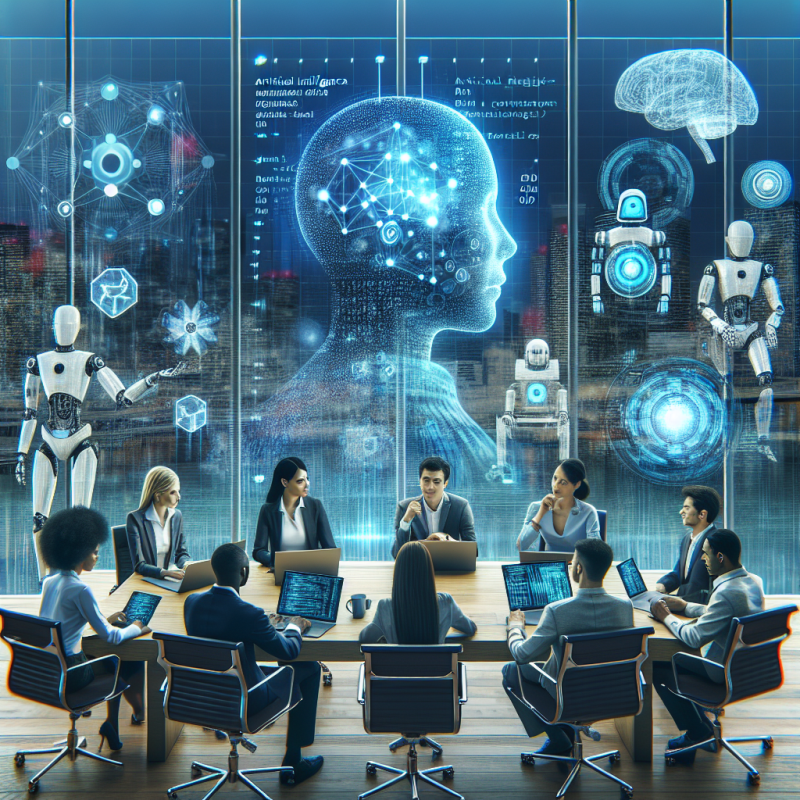
In the workplace, AI is on the rise. Businesses use it to streamline operations, analyze data, and even assist with hiring. It allows teams to focus on creativity and strategy while leaving repetitive tasks to AI. This shift is driving innovation and helping companies stay competitive.
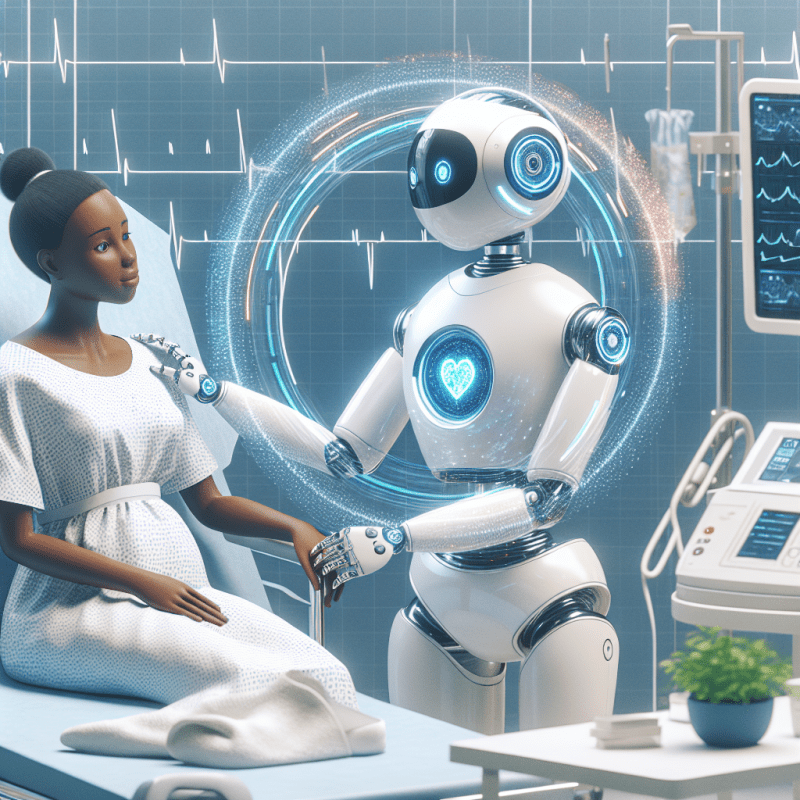
Even in healthcare, AI is making waves. It can help doctors diagnose conditions faster and more accurately. Machine learning can analyze patient data, leading to better treatment plans. With AI taking on some of the heavy lifting, healthcare professionals can spend more time with patients, improving overall care.