Artificial Intelligence can feel like a bit of a mystery, right? At its core, AI is all about machines learning from data to make decisions. It’s kind of like teaching a toddler—show them examples, and they start to recognize patterns. This technology is making waves in almost every industry, from healthcare to finance, changing the way we interact with the world around us.
But with great power comes great responsibility. That’s where ethics comes into play. As AI becomes smarter and more integrated into our daily lives, questions pop up about how it should be used. Who gets to decide what is right or wrong? And how do we make sure AI doesn’t take shortcuts that could harm people?
Ethics in AI isn’t just theoretical; it impacts real lives. For example, think about algorithms used in hiring. If they favor one group over another, it can lead to unfair job opportunities. The goal is to make AI fair, transparent, and accountable. People want to trust that technology will help, not hurt.
So, how do we navigate these waters? It starts with discussions, guidelines, and involving diverse voices in the conversation. Everyone has different experiences, and those insights help shape a responsible approach to using AI. After all, a little thoughtfulness can go a long way in ensuring technology serves everyone, not just a select few.
Real World Impacts of AI Decisions
AI decisions are shaping so many aspects of our lives, often in ways we might not even realize. From the movies recommended on your streaming service to the ads popping up on your social media feed, AI algorithms influence our choices every day. The more we understand these impacts, the better we can navigate the ethical landscape surrounding artificial intelligence.
One big area is the job market. AI can automate repetitive tasks, making companies more efficient. But what happens to those jobs? It’s a double-edged sword. While some positions may vanish, new roles are emerging that require different skills. It’s important for workers to stay adaptable and keep learning as technology evolves.
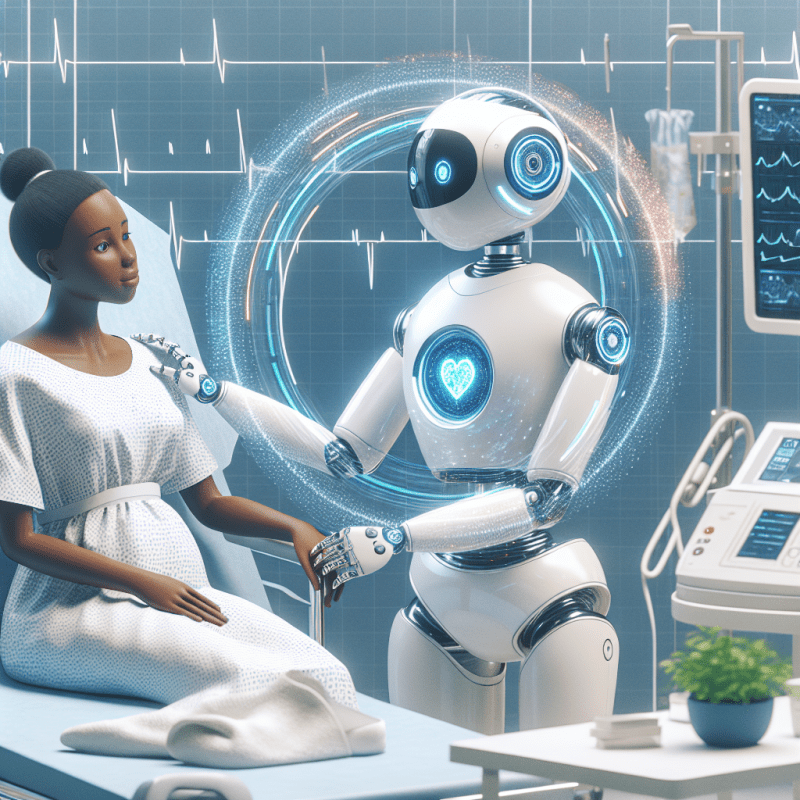
Another critical impact of AI decisions is in healthcare. AI can analyze patient data faster and more accurately than humans. This can lead to quicker diagnoses and better treatment plans. However, if not handled correctly, there's a risk of bias in algorithms, which could affect patient outcomes. We need to ensure that AI serves everyone equally, without leaning towards any unfair advantages.
Let’s not skip over privacy concerns, either. AI tools collect massive amounts of data to learn and make decisions. This raises questions about how our personal information is used and who has access to it. As consumers, we should stay aware and ask questions about our data rights and how technology companies handle our information.
Balancing Innovation and Responsibility
When we talk about AI, it’s hard to ignore the thrill of innovation. We’re seeing technologies that were once just dreams become reality right before our eyes. But with great power comes great responsibility. It’s essential we find a balance between pushing the limits of what AI can do and ensuring it’s used ethically.
On one hand, AI can make our lives easier and more efficient. Just think about how it helps in fields like healthcare, where algorithms can analyze data faster than any human could. This means quicker diagnoses and treatments, which can save lives. That's a win for innovation!
But here’s the catch: we can’t dive headfirst into the exciting world of AI without thinking about the consequences. Misuse of data, bias in algorithms, and job displacement are real concerns. We need to be proactive and set guidelines that prioritize ethics right alongside creativity. It’s all about making sure that as we innovate, we’re also protecting our values and the people affected by these technologies.
It’s a delicate dance, but it’s crucial. By collaborating across industries, governments, and communities, we can develop AI that’s not just smart but also fair and responsible. This way, we can enjoy the benefits of innovation while safeguarding our ethical standards.
Future of Ethics in AI Development
One big focus is transparency. People want to know how AI systems work, especially when they affect jobs, healthcare, or personal data. Companies need to be open about their AI processes. This builds trust and helps users understand how decisions are made. If we can see behind the curtain, we can feel more comfortable using AI tools.
Another crucial aspect is fairness. We’ve got to ensure that AI doesn’t just favor one group over another. Developers need to think about bias and work hard to eliminate it. This means testing their models thoroughly and including diverse perspectives in the development process. Fair AI benefits everyone, not just a select few.
Accountability is also becoming a hot topic. Who’s responsible when AI systems go wrong? Setting clear standards and regulations can help hold developers accountable for their creations. By establishing who’s responsible and setting guidelines, we can create safer AI systems that we all can stand behind.
Finally, education plays a vital role in this conversation. As AI tech continues to grow, we need to make sure that everyone—users, developers, and policymakers—understand the ethical implications. This will help people engage in informed discussions and decisions about the technology that will shape our future. A well-informed community can push for ethical standards that ensure AI benefits us all.